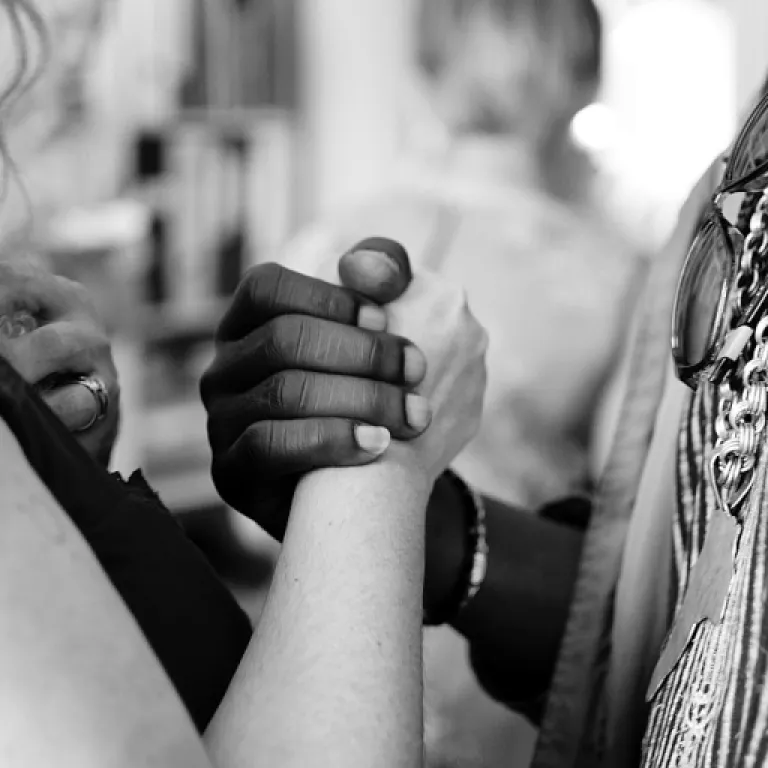
Understanding professionalism in hr within mentoring
Defining Professionalism in Human Resource Mentoring
Professionalism in human resources (HR) is more than just following a set of rules. It’s about setting a standard for ethical conduct, effective communication, and fostering trust within the workplace. When professionals in HR take on mentoring roles, they bring these values into every interaction, shaping the employee experience and supporting organizational success. Professional mentoring in HR means applying best practices in resource management, performance management, and talent development. It’s about helping employees grow while aligning their progress with the company’s goals. This approach not only enhances workplace culture but also attracts and retains top talent, which is crucial for business growth.- Ethical standards: HR professionals act as role models, ensuring ethical practices and a code of ethics are at the core of every mentoring relationship.
- Trust and transparency: Open communication and consistent actions foster trust, making employees feel valued and supported.
- Continuous learning: A commitment to ongoing development keeps both mentors and mentees adaptable and engaged in the ever-evolving workplace.
Building trust through ethical standards
Ethical Foundations as the Bedrock of Mentoring
In the world of human resources, professionalism is inseparable from ethical conduct. When professionals in HR serve as mentors, their commitment to ethical standards becomes a guiding force that shapes the entire mentoring relationship. These standards, often outlined in a company’s code of ethics or best practices promoted by organizations like SHRM, are not just theoretical—they are practical tools that foster trust and set the tone for effective mentoring.
Mentoring relationships thrive when employees feel secure, respected, and valued. Ethical behavior from mentors signals to mentees that the workplace culture is one where integrity and fairness matter. This environment encourages open communication, making it easier for employees to share challenges, seek advice, and engage in honest discussions about their professional development. When trust is established, both mentor and mentee can focus on achieving organizational goals and enhancing workplace performance.
- Transparency: Clear communication about expectations, boundaries, and confidentiality builds confidence in the mentoring process.
- Respect for Diversity: Ethical HR professionals recognize and support the unique backgrounds and needs of each employee, including those with disabilities or syndromes. For more on supporting unique professional journeys, see coaching for young people with disabilities or syndromes.
- Accountability: Adhering to ethical standards means mentors take responsibility for their actions, modeling the behavior they expect from others.
By prioritizing ethical conduct, HR professionals not only build trust but also contribute to a workplace where top talent can thrive. This commitment to professionalism in human resource management is essential for organizational success, as it supports both individual growth and the broader goals of the business.
Communication skills that support mentoring
Fostering Open Dialogue and Active Listening
Effective communication is at the heart of every successful mentoring relationship in human resources. Professionals who demonstrate professionalism in their interactions create an environment where employees feel valued and heard. This is essential for building trust, which is a cornerstone of ethical conduct and organizational success. Open communication helps mentors and mentees align their expectations, clarify goals, and address any uncertainties that may arise during the mentoring process.
Practical Tips for Enhancing Communication
- Active listening: Human resource professionals should practice attentive listening, ensuring that mentees feel comfortable sharing their perspectives and challenges.
- Clear feedback: Providing constructive, actionable feedback supports employee development and continuous learning, helping mentees grow in their roles.
- Consistent check-ins: Regular communication fosters trust and keeps both parties accountable, aligning their efforts with organizational goals and performance management practices.
- Respectful tone: Maintaining a respectful and professional tone, even during difficult conversations, reinforces a positive workplace culture and upholds the code ethics promoted by SHRM and other human resource management authorities.
Communication as a Tool for Problem Solving
Strong communication skills empower mentors to address challenges and conflicts constructively. By encouraging open dialogue, professionals can identify issues early and collaborate on solutions that benefit both the employee and the company. This approach not only enhances workplace relationships but also supports the development of top talent and the achievement of organizational goals.
For more practical strategies on boosting team morale and enhancing workplace communication, explore creative strategies to lift team spirit in the workplace. These insights can further support effective mentoring and foster a culture of continuous improvement within your business.
Navigating challenges and conflicts
Addressing Difficulties with Professionalism and Empathy
Challenges and conflicts are inevitable in any mentoring relationship, especially in dynamic business environments. Professionals in human resources know that how these situations are managed can make or break the mentoring experience for both mentors and mentees. Professionalism in HR is not just about following a code of ethics ; it is about fostering trust, open communication, and a workplace culture where employees feel valued and respected.- Ethical conduct: Adhering to ethical standards ensures that all parties are treated fairly, even during disagreements. This approach helps maintain trust and supports organizational goals.
- Effective communication: Open dialogue is essential for problem solving. When professionals communicate clearly and listen actively, misunderstandings are minimized, and solutions become more accessible.
- Performance management: Addressing conflicts early and constructively can prevent issues from escalating. HR professionals often use structured feedback and practical tips to guide employees through difficult conversations.
Practical Strategies for Conflict Resolution
To enhance workplace relationships and support talent development, it is crucial to approach challenges with a mindset of continuous learning. Here are some practices that help navigate conflicts in mentoring:- Encourage open communication between mentors and mentees to surface concerns early.
- Use established HR resource management frameworks to mediate and resolve issues.
- Promote a culture of feedback, where constructive criticism is welcomed and seen as an opportunity for growth.
- Align conflict resolution with the company’s code of ethics and SHRM guidelines to ensure consistency and fairness.
Encouraging growth and accountability
Promoting Responsibility and Growth in Mentoring Partnerships
Professionalism in human resources mentoring is not just about guiding employees; it’s about creating a workplace culture where growth and accountability go hand in hand. When professionals in HR set clear expectations and model ethical conduct, they help employees feel valued and responsible for their own development. This approach supports both individual and organizational success. Mentoring that emphasizes accountability helps employees align their personal goals with broader business objectives. By fostering trust and open communication, mentors can encourage mentees to take ownership of their learning and performance. This is especially important in resource management, where effective communication and performance management practices are essential for success.- Setting clear objectives: Mentors and mentees should work together to define goals that support both employee development and company needs. This clarity helps track progress and ensures alignment with organizational goals.
- Regular feedback: Constructive, timely feedback is a cornerstone of effective mentoring. It helps employees understand their strengths and areas for improvement, reinforcing a culture of continuous learning and problem solving.
- Encouraging self-reflection: Professionals in HR can guide employees to reflect on their actions and decisions. This practice not only enhances workplace performance but also builds a sense of responsibility and ethical awareness.
- Recognizing achievements: Celebrating milestones, even small ones, motivates employees and reinforces positive behaviors. Recognition also helps retain top talent and supports ongoing talent development.
The impact of continuous learning in hr mentoring
Embedding Lifelong Learning into Mentoring Practices
Continuous learning is a cornerstone of professionalism in human resource management. When professionals in HR prioritize ongoing development, they set a standard for the entire workplace. This commitment not only strengthens mentoring relationships but also drives organizational success by ensuring that both mentors and mentees stay current with evolving business practices and industry standards.
In the context of mentoring, continuous learning is more than just attending training sessions. It’s about fostering a culture where employees feel encouraged to seek new knowledge, develop problem solving skills, and adapt to changes. This approach enhances the employee experience and supports effective communication between mentors and mentees. When HR professionals model this mindset, it signals to employees that growth and development are valued at every level of the company.
- Professional development: Regular workshops and learning opportunities help employees and mentors stay updated on best practices in resource management and ethical conduct.
- Performance management: Integrating continuous learning into performance reviews encourages employees to set and achieve new goals, aligning their growth with organizational goals.
- Talent retention: Companies that invest in the ongoing development of their workforce are more likely to attract and retain top talent, as employees recognize the value placed on their professional growth.
Continuous learning also supports effective problem solving and adaptability, which are essential for navigating challenges and conflicts in mentoring relationships. By embracing a mindset of lifelong learning, HR professionals and employees alike can contribute to a workplace culture that values trust, ethical standards, and open communication. This not only enhances individual performance but also strengthens the overall success of the business.
Practical tips for embedding continuous learning include encouraging participation in SHRM events, sharing relevant resources, and creating opportunities for cross-functional collaboration. These practices help ensure that mentoring remains dynamic, relevant, and effective in supporting both individual and organizational development.
